


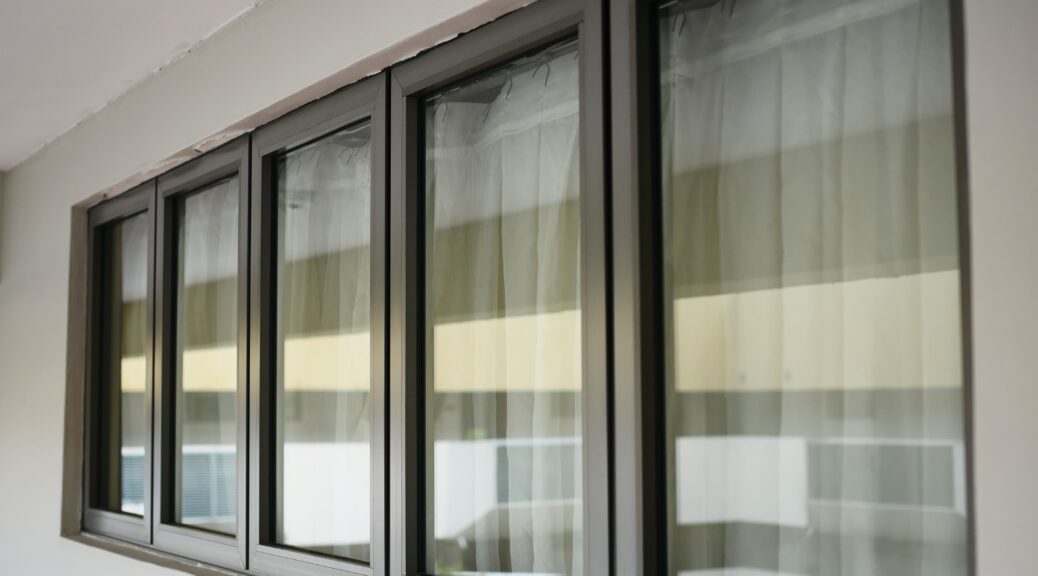
Acrylic, also known as Perspex, is a lightweight, durable, and versatile plastic used in a wide range of applications. Its impact resistance, clarity, and ability to withstand sun, salt spray, and temperature variations make it ideal for both DIY and professional projects. This guide explains the key characteristics, cleaning methods, and working tips for acrylic sheets to ensure safe handling and long-lasting results.
Common Uses of Acrylic Sheets
- Windows and skylights
- Display cases and signage
- Protective barriers and shields
- Furniture, shelving, and decorative panels
- Outdoor and marine applications
Acrylic’s versatility, light weight, and clarity make it suitable for both indoor and outdoor projects.
Characteristics of the material
- Acrylic Plastic
- Half the weight of glass
- Impact resistant
- Unaffected by sun or salt spray
- Temperature range of -30 to 160° F for continuous service
Cleaning
Wash with mild soap or detergent, with plenty of lukewarm water, dry with soft cloth or chamois. Grease, oil or tar can be removed with hexane or kerosene. Solvent residue should be removed by washing immediately.
Do Not Use
Window cleaning sprays, scouring compounds, acetone, gasoline, benzene, carbon tetrachloride or lacquer thinner.
Masking
When working with the material, leave the paper masking film on the sheet as long as possible. Except for intricate detail work, you should remove the masking only when your project is completed.
Working with acrylic plastic sheet
DO
- Keep masking on as long as possible. Use metal cutting saw blades and drills that are ground for acrylic sheet.
- Make sure all tools are sharp.
- Use water or drilling oil as a coolant when cutting sheets over 1/8″ thick or drilling sheets over 3/16″ thick.
- Wet the material before cleaning.
DON’T
- Use saw blades with side-set teeth. Saw teeth ideally should be ground with 0° of rake and be of uniform height and shape.
Pro Tips for Handling Acrylic Sheet
Expert Tips
- Always leave masking on the sheet as long as possible to prevent scratches.
- Use sharp tools specifically designed for acrylic to avoid chipping or cracking.
- When cutting or drilling thicker sheets, use water or drilling oil as a coolant.
- Clean acrylic gently with mild soap and lukewarm water; avoid harsh chemicals.
- Avoid using saw blades with side-set teeth; blades should be ground with 0° rake for smooth cuts.
Safety Precautions
- Wear protective gloves and goggles when cutting or drilling acrylic sheets.
- Always secure the sheet firmly before starting any work.
- Avoid exposing acrylic to solvents like acetone, benzene, or lacquer thinner.
- Work in a well-ventilated area when using any chemicals or heat.