


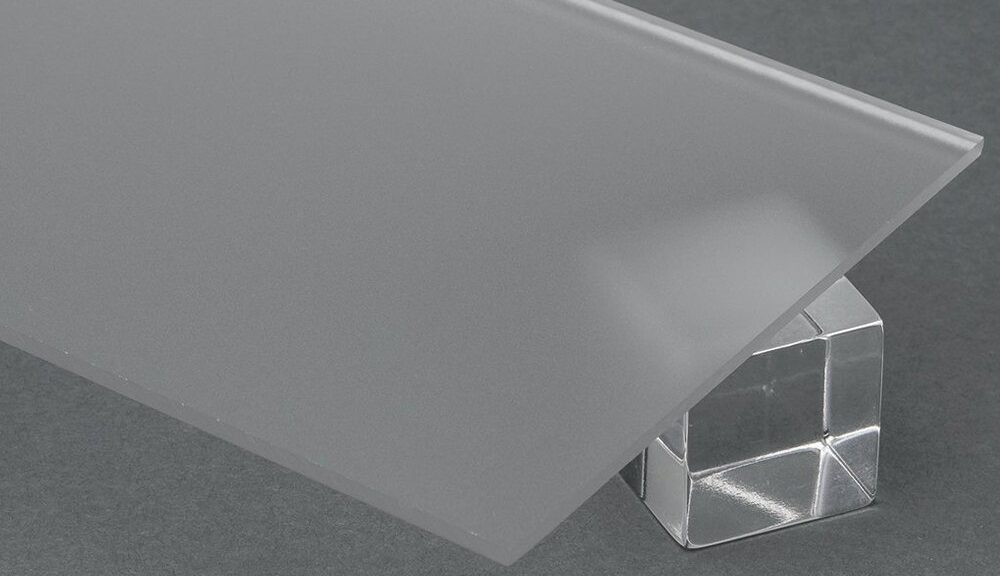
Finishing acrylic Perspex sheets properly is essential to achieve smooth, polished, and professional-looking edges. Whether you’re working on a DIY project or a commercial fabrication, understanding the correct scraping, filing, sanding, and polishing techniques ensures a flawless finish while avoiding scratches or cracks.
Scraping
The first step in getting a finished edge is scraping. The back of a hacksaw blade is perfect for scraping. Simply draw the corner of the square edge of the blade along the edge of the acrylic.
Filing
A 10 to 12-inch smooth cut file is recommended for filing edges and removing tool marks. File only in one direction. Keep the teeth flat on the surface, but let the file slide at an angle to avoid putting grooves in the work.
Sanding
If necessary, start with 120-grit sandpaper, used dry. Then switch to a 220-grit paper, dry. Finish with a 400-grit wet/dry paper, used wet. Grits as fine as 600 may be used. Always use a wooden or rubber sanding block.
When removing scratches, be sure to sand an area larger than the scratch. Sand with a circular motion, and use a light touch and plenty of water with wet/dry papers.
Almost any commercial power sander can be used with acrylic. Use light pressure and slower speeds.
Polishing
Final polishing will give acrylic a high lustre. Power-driven buffing tools are recommended without exception. Buffing wheels are available as attachments for electric drills.
A good buffing wheel for acrylic consists of layers of 3/16″ carbonised felt, or layers of unbleached muslin laid together to form a wheel. Solidly stitched wheels should be avoided.
The wheel should reach a surface speed of at least 1200 feet per minute. Speeds of up to 4000 feet per minute are useful for acrylic.
Acrylic should be polished using a commercial buffing compound of the type used for silver or brass, or you can use a non-silicone car polish that has no cleaning solvents in it.
First, however, tallow should be applied to the wheel as a base for the buffing compound. Just touch the tallow stick to the spinning wheel, and then quickly apply the buffing compound.
To polish, move the piece back and forth across the buffing wheel. Be careful not to apply too much pressure. Keep the work constantly moving to prevent heat buildup.
Never begin polishing at the edge of the sheet. The wheel could easily catch the top edge and throw the piece across the room or at you.
Expert Tips for Finishing Acrylic Sheets
- Always work slowly and carefully to prevent overheating or melting the plastic.
- Keep sanding blocks flat and move in consistent motions to avoid grooves.
- Use plenty of water with wet/dry sandpapers to minimise scratches.
- Buff acrylic surfaces with light, even pressure and constant movement.
- Never start polishing at the sheet’s edge to prevent the piece from catching the wheel.
- Apply a base layer of tallow on the buffing wheel for smoother polishing results.
Safety Precautions
- Wear protective goggles and gloves while sanding or polishing acrylic.
- Secure the sheet firmly to avoid movement during finishing.
- Work in a well-ventilated area when using power tools or compounds.